
Plumber Melton South for Tired Pipes
Rusty water, weak pressure or the same leak coming back usually points to pipes near the end of their life. A licensed plumber can tell you whether a repair will hold or the run needs replacing.
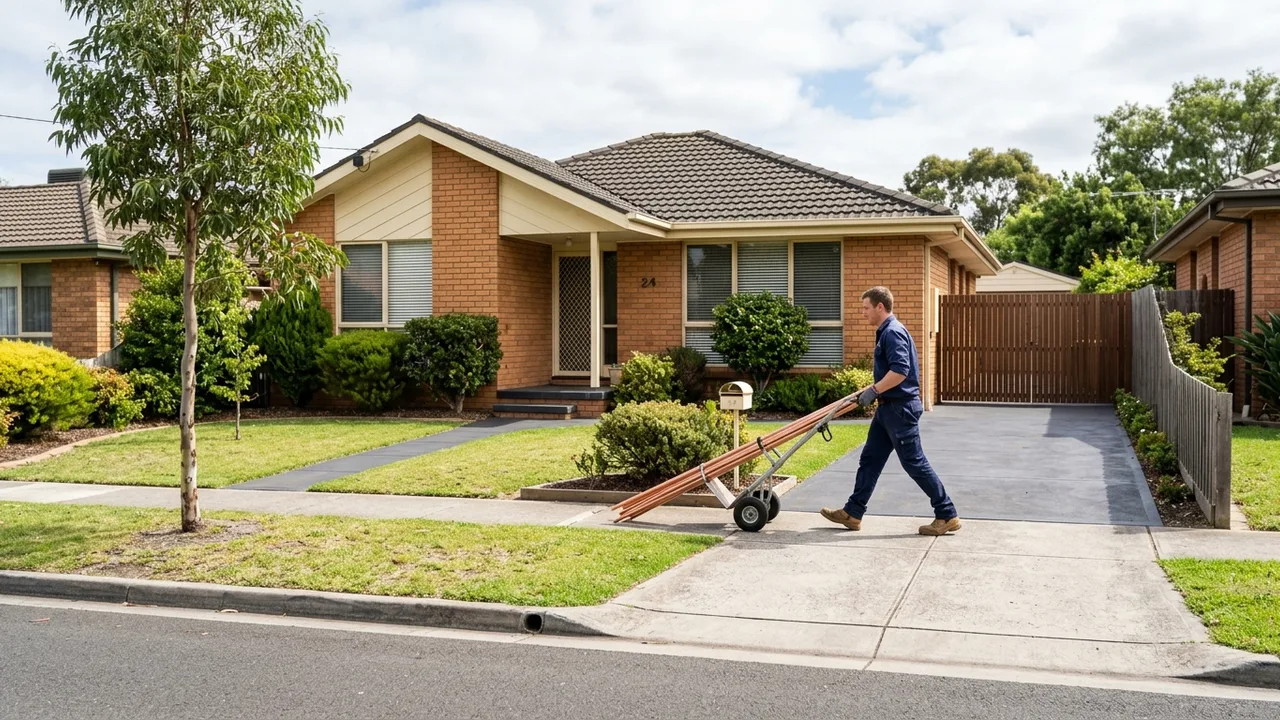
A plumber in Melton South can tell you whether a tired pipe needs a repair or a full replacement once they have seen it. The answer comes down to how often the pipe fails, where it runs and what it is made of.
Services in Melton South
- Blocked drains and drain repair Slow sinks, gurgling toilets and sewage backing up, cleared with the cause found by drain camera.
- Gas plumbing and gasfitting Gas smells, leak checks and new cooktop connections at home, handled by a licensed gas plumber.
- Hot water repairs and installation Cold showers, leaking tanks and ageing systems, repaired or replaced across gas, electric and solar.
- Roof plumbing and gutters Roof leaks, rusted flashings, overflowing gutters and loose downpipes traced and repaired.
- Leak detection and repair Hidden leaks behind walls, under floors and beneath slabs, traced with testing and then repaired.
- Tap and toilet repairs and replacement Dripping taps, running toilets and worn mixers, repaired or replaced so the bathroom works again.
- Emergency plumbing Burst pipes, overflowing toilets and sewage backups, with the water stopped first and the cause found next.
Plumber in Melton South: repair or replace tired pipes
Repair when the fault is a single point in pipe that is otherwise sound. Replace when the pipe is failing along its length, or when the same run has leaked more than once.
Tired pipes announce themselves in a few ways. Water runs brown or rusty for a moment when you first open a tap. Pressure has dropped at the shower but not at the laundry. A damp patch keeps returning on a wall or under a floor. A small pinhole leak is patched, and a few months later another appears a metre along.
That last one matters most. Pinholes tend to show up when the wall of the pipe has thinned, and the thinning rarely stops at one spot. Patching each hole costs less on the day, but you pay for every call-out and for the water damage between them.
A plumber also looks at what the pipe is made of. Old galvanised steel corrodes from the inside and slowly narrows, which is why pressure fades. Copper can pit. Some plastic pipe from earlier decades turns brittle at joints. The plumber confirms the material on site, because it changes the advice.
How a plumber decides between a patch and new pipework
The plumber starts by finding where the water is actually escaping. A stain on a ceiling is rarely directly under the leak, so they trace the run, test the pressure and look at the joints and fittings on either side.
Three things then shape the recommendation. The first is how many faults there are. One failure in a good pipe is a repair, while several failures close together mean the pipe is wearing out.
The second is where the pipe runs. A short exposed section under the house is cheap to replace. A long run inside a wall or under a slab is costly to open up, so a lasting fix is worth more there.
The third is what the pipe feeds. A tired line to one outside tap is a small decision. The main supply to the house is a bigger one.
A good plumber gives you the smallest job that fixes the cause, and says plainly when a patch will only buy a little time. If a repair is the right call, you hear that too. Replacement is not the default answer.
Will they dig up my yard or rip open my walls?
Not always, and a plumber will look for the least disruptive route first. Many replacements can be done through the roof space, the subfloor or existing access points, so walls stay intact. Where a pipe must be reached inside a wall, the opening is usually small and made good afterwards.
Outside, the plumber can often work out where a buried line runs and dig only along that stretch. Pipes under a slab sometimes get a new route above the floor instead of breaking the concrete.
Your plumber explains the plan in everyday words before work begins, including which rooms and which parts of the garden are affected. Nobody should start cutting before you know where.
Quote, certificate and your protections
You should hear the price before work starts, and the quote sets out what the job covers so you can decide whether it goes ahead.
Routine pipe replacement is regulated work in Victoria, so it is done by a licensed plumber. When a job calls for a compliance certificate, the plumber must get it to you within five days of finishing. Keep it with your house papers, because it is useful when you sell.
Plumbing services also come with automatic consumer guarantees under Australian law, including that the work is done with due care and skill. If something fails soon after the job, that protection is yours.
Pipes in a railway-era suburb
Melton South grew up around the railway, which opened in 1884 after the viaduct over the Werribee River was completed in 1880. Sawmills were the first industries to follow, then chaff mills in the early twentieth century.
For your plumbing, that history means variety. Streets close to Melton railway station and Station Square Shopping Centre have had more than a century to fill in, so one street can hold houses from several decades. Each decade used different pipe materials, and extensions often joined new pipe to old. A plumber working in Melton South expects to meet a mix behind the walls.
In your message, put your street, what the pipe is doing and how long it has been doing it. If water is escaping fast, shut off the water at the meter, then use the enquiry form. If water has reached power points, a light fitting or the switchboard, keep away from it and call 000. If you smell gas and it is strong or anyone feels unwell, get everyone outside without touching any switches and call 000 from a safe distance. If it is faint, close the appliance gas tap, open the windows, keep flames away and turn the gas off at the meter if it is safe to reach. If the smell stays, call the emergency number on your gas bill, then use the enquiry form.
Frequently Asked Questions
Should I repair or replace old pipes in my Melton South home?
Get it priced
Plumbing problem at your place? Tell us what has gone wrong and get it sorted.
Describe the plumbing work you need and get a quote.